Experience Building MyPaste
The Blueprint and The Brief
Let’s start from the very beginning. When we first hopped on the project, I asked them about their requirements and references to understand what they were aiming for.
They shared a PDF document containing all the specs: color schemes, themes, titles, page counts, and feature breakdowns. It was surprisingly detailed and gave me a clear direction right away.
Of course, no matter how thorough a blueprint is, ideas evolve and revisions are inevitable once things become tangible. But having that structured foundation made getting started so much smoother.
(Quick FYI: if you’re wondering about the name in the chat screenshots below, I went by “Robin” for this project, so yeah, Robin was my alias).
First UI Iterations: Fast from Day One
I jumped straight into building the frontend with Next.js. My primary focus from day one was making sure the interface was not just clean and modern, but ridiculously fast.
Once the initial UI structure was in place, I sent over an early preview to get their thoughts on the layout and color palette:
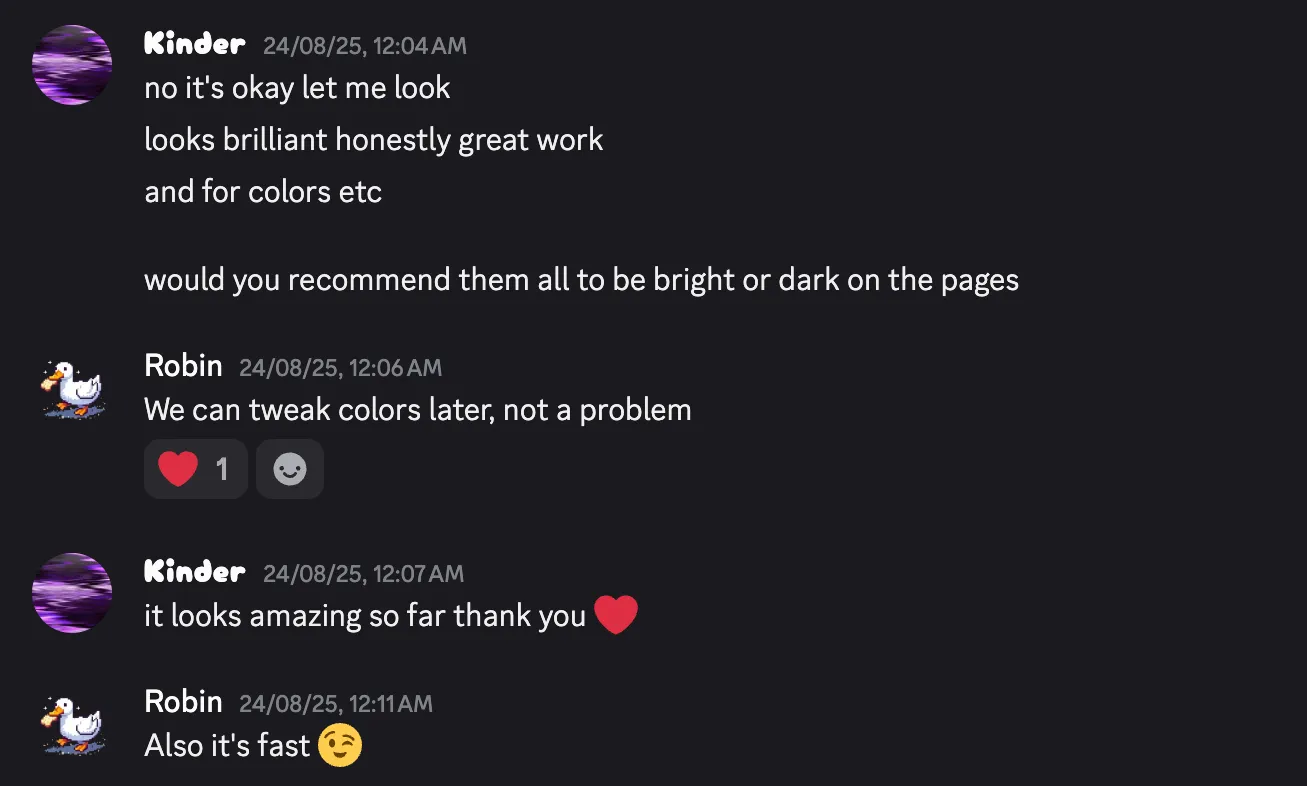
Hearing “looks brilliant honestly great work” on that first preview gave me a huge boost of confidence. We decided to keep the colors flexible and dialed in the styling as we moved forward.
Nailing the Mobile Experience
A web app can look stunning on a wide desktop monitor, but if it breaks on mobile, it’s not ready.
We spent time making sure the responsive layout was snappy, buttons had proper touch targets, and typography scaled cleanly across small viewports:
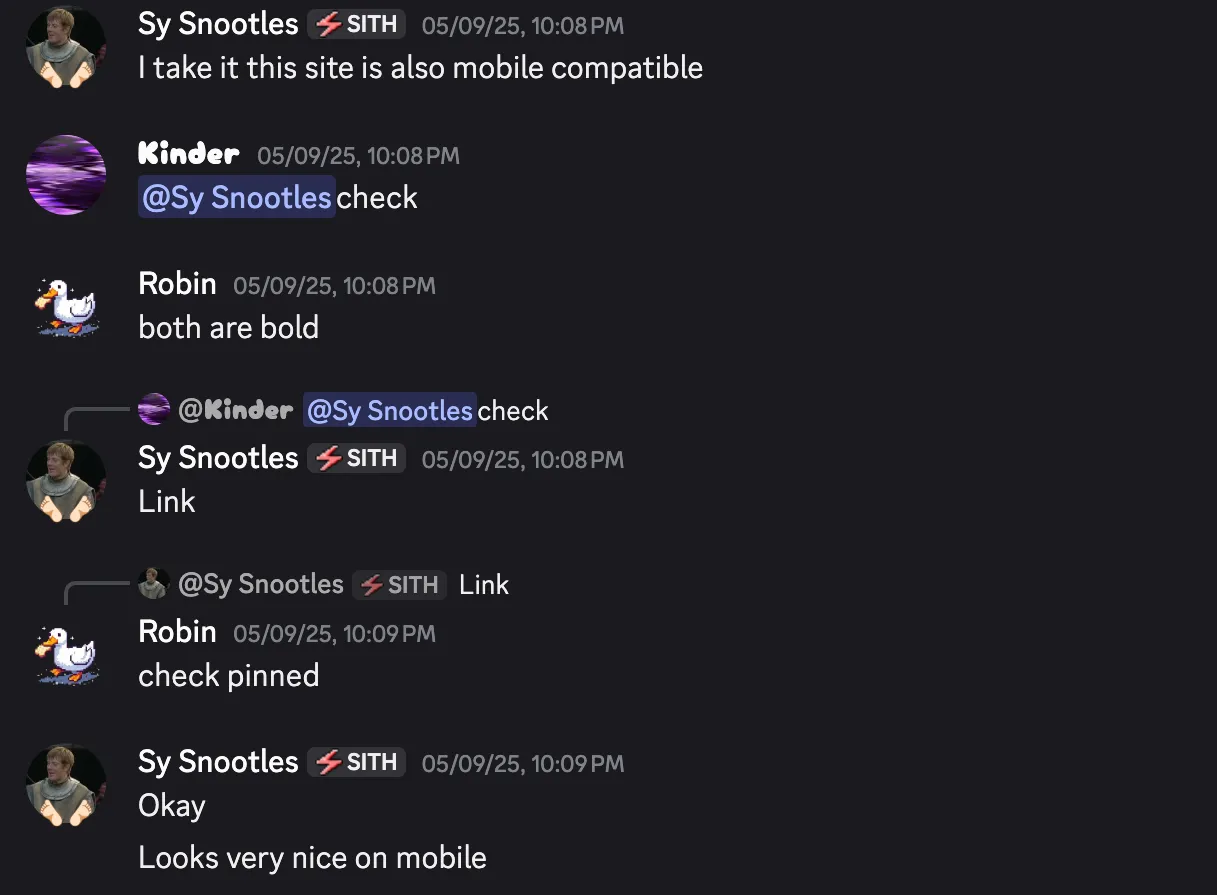
Seeing everyone test it on their phones and confirm that it felt smooth on mobile was a key milestone before tackling the rest of the stack.
That “First Client” Feeling
Working on personal hobby projects is one thing: if something breaks or takes a week to fix, only you know about it. But building software for actual people who are genuinely counting on your work is a completely different feeling:
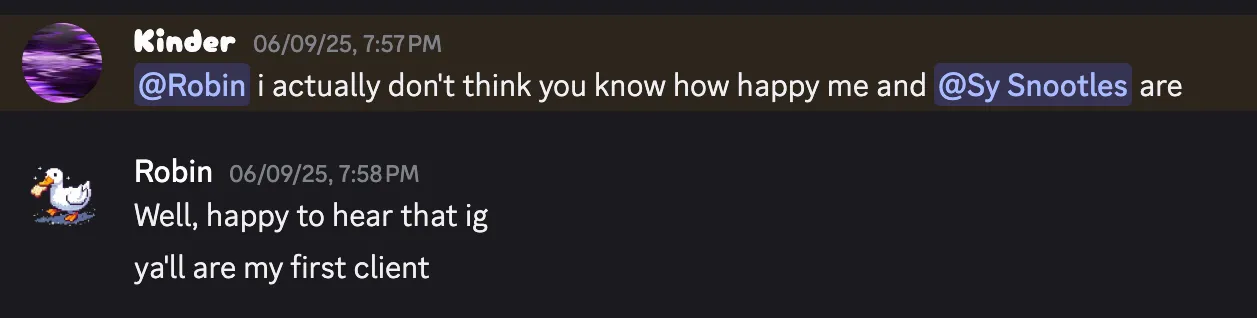
Knowing how excited they were made me want to push even harder to deliver something top-tier.
Domain Setup & Production Performance
Once the core was shaped up, we moved on to production wiring: configuring the custom domain, setting up DNS, and squeezing every millisecond out of the loading times:
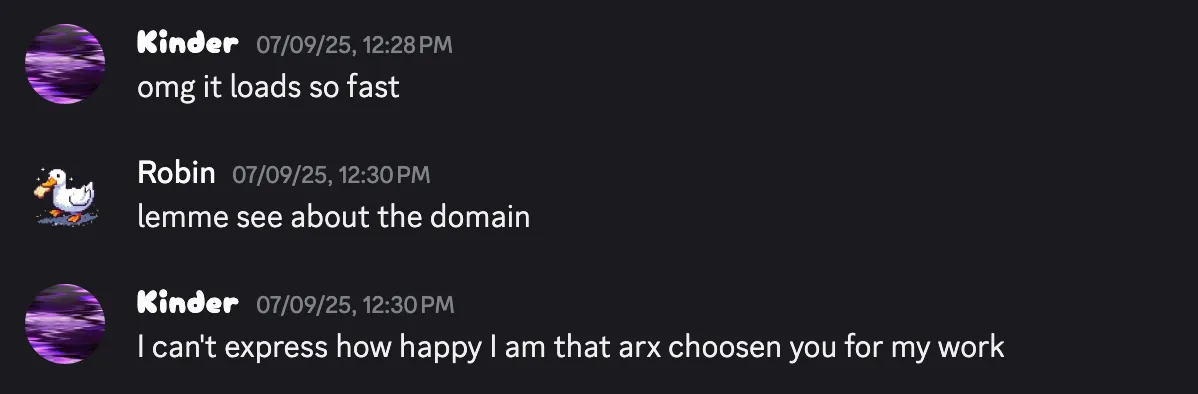
When a client’s first message after opening the production build is “omg it loads so fast”, you know the architectural choices paid off.
The “It Works!” Moment
Every developer knows that moment when you’ve been wrestling with backend integration, API edge cases, and data persistence, and then suddenly everything links together flawlessly:
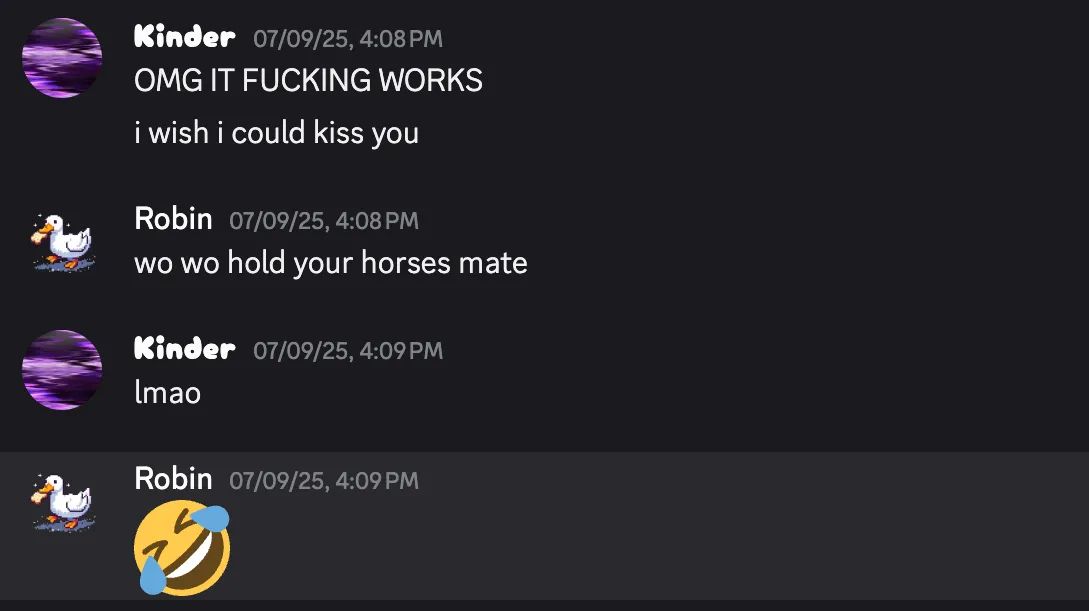
You really cannot beat the feeling of seeing genuine excitement on the other end when everything works exactly as intended.
What Building MyPaste Taught Me
Taking MyPaste from a concept PDF to a live, polished web application was one of the most rewarding learning experiences I’ve had. A few big takeaways:
- Clear Communication Matters: Consistent updates and quick feedback loops eliminate misunderstandings before they turn into major rewrites.
- Speed is a Feature: Prioritizing lightweight, fast-loading architecture from day one makes a lasting impression.
- Earn the Result: Pushing through the tricky bugs and delivering something that makes clients genuinely happy is why I love building software.
- Deba